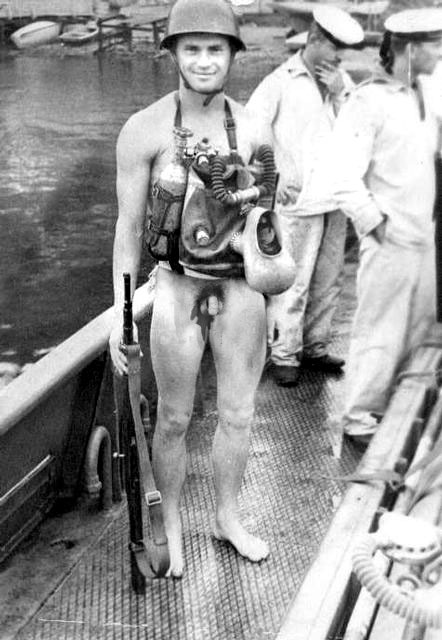
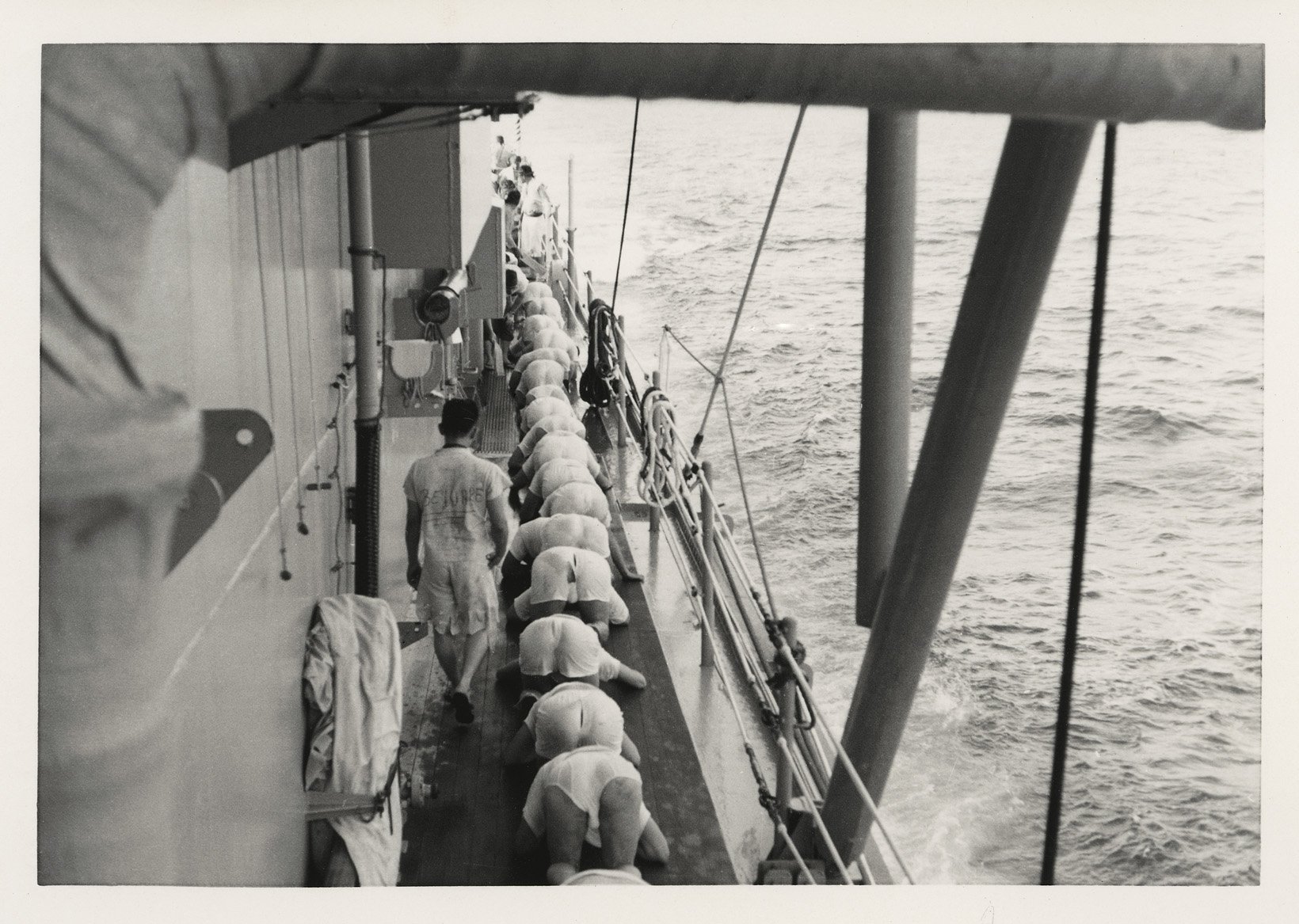
 In the excellent Bring Me Men (which deserves its own dedicated review), Aaron Belkin identifies a more complex relation. In becoming military men, there is a need not only to disavow femininity, but also to become intimate with the ‘unmasculine’ and the ‘queer’. Rather than identifying a direct alignment of the masculine with the military, or seeing gender norms as accidental in their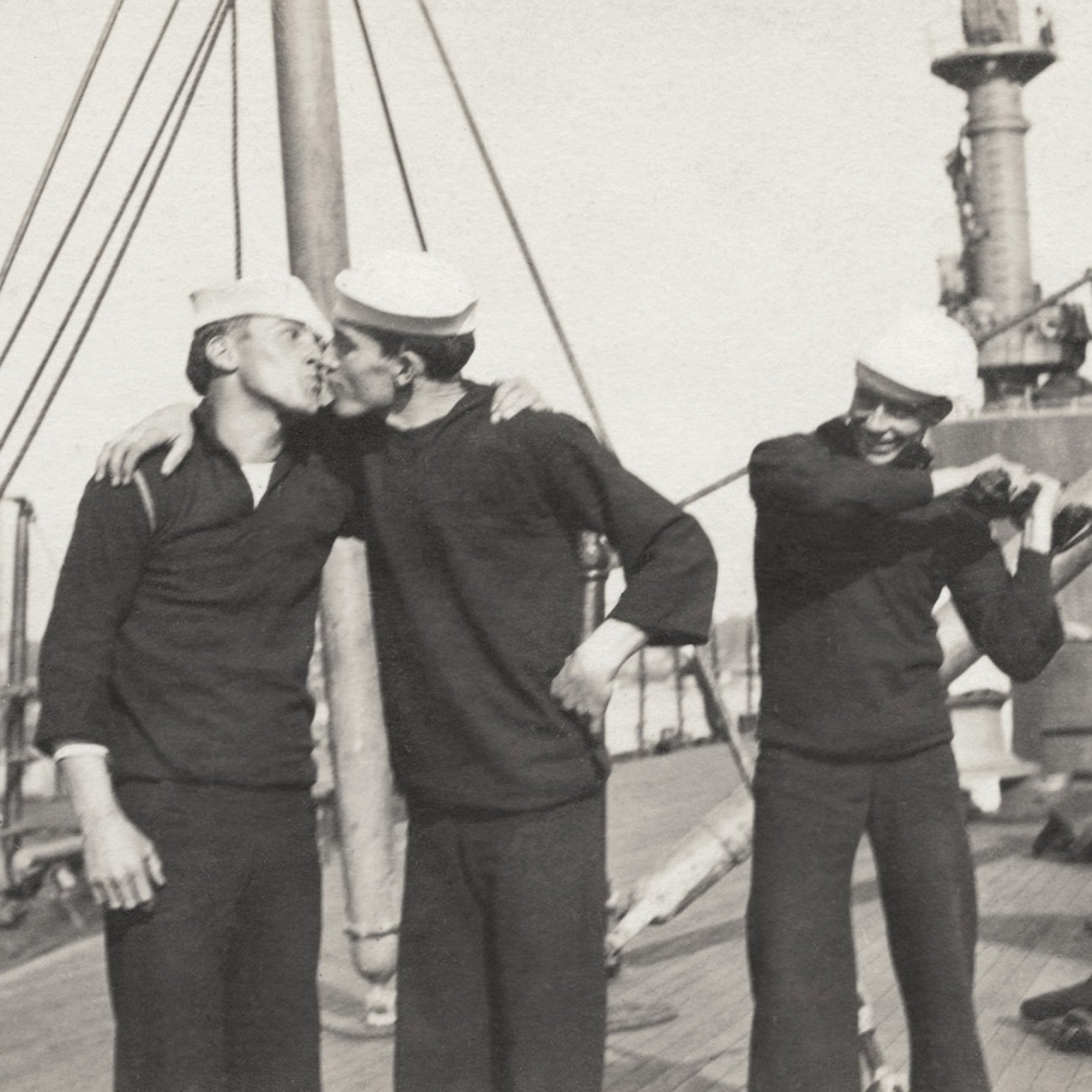
Above is an excerpt taken from:
Fratriarchy, Homoeroticism and Military Culture, NOVEMBER 1, 2012


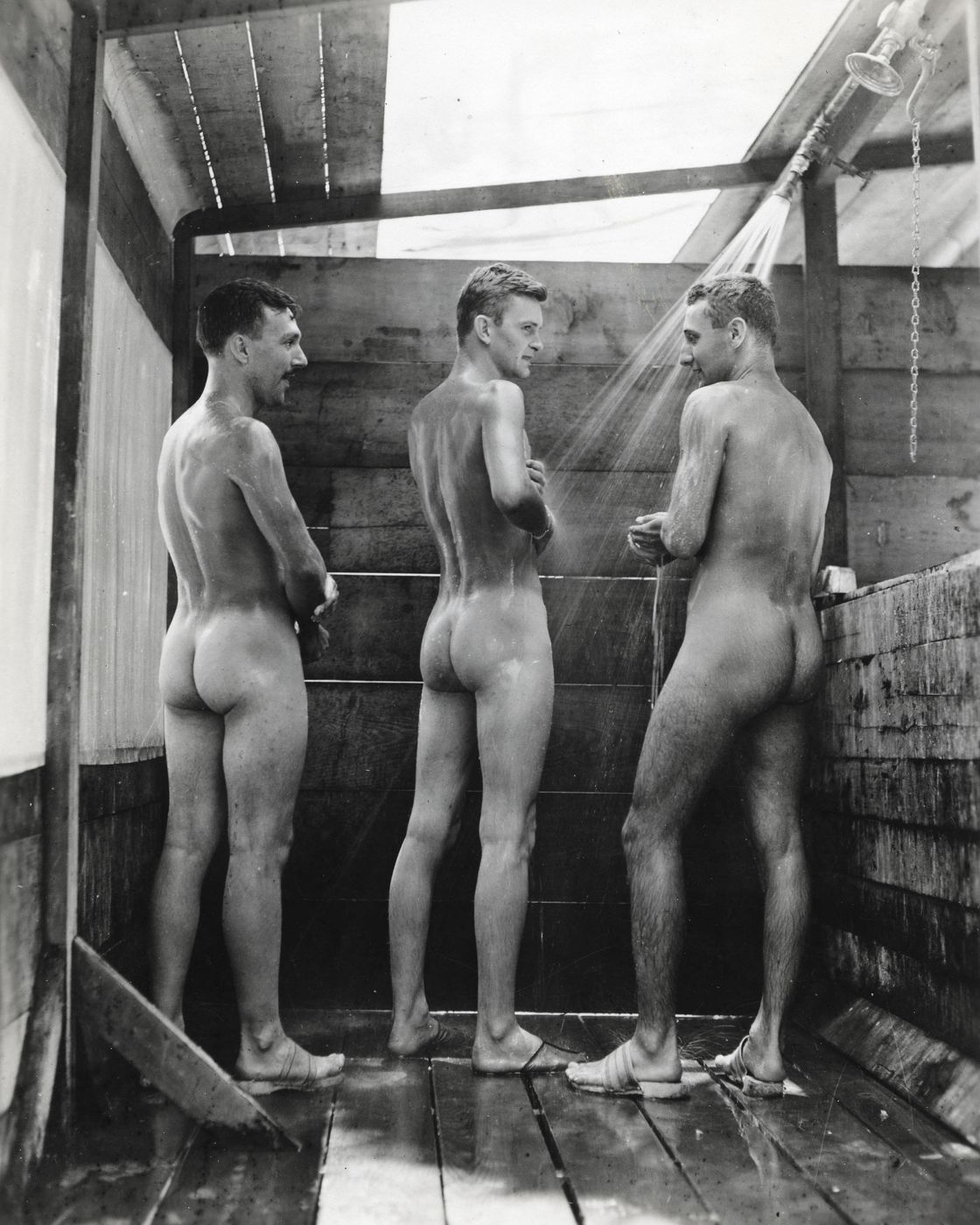


 SAME PHENOMENON OCCURRED AMONG THE JAPANESE SAMURAI. ACCORDING TO R. C. KIRKPATRICK (2000, P. 394): "SAME SEX SEXUAL PARTNERS OF THE JAPANESE SAMURAI GAINED BOTH MARTIAL TRAINING AND LAND."